CZ and FriendsS1 E43
How to Build a Legal Department From Scratch

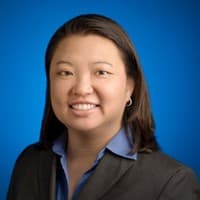
Alisha Cieslak
Chief Legal Officer, General Counsel, Gordon Food Service
Episode Overview
When Alisha Cieslak joined Gordon Food Service in 2014, she was employee number one in the legal department, at a company that was already doing $10 billion in revenue across a dozen states and Canada. There was no active-matters list. No board legal reports. No files.
She built the answer into a framework she now calls Greenfield to Gold Standard: assess what the company's legal needs actually are, pressure test the culture and the board's real risk tolerance, then design a strategy that fits that specific company rather than importing one from somewhere else.
A decade later she had scaled that greenfield start into a 150-plus-person enterprise team spanning legal, risk, IT, and food safety and quality, at a company that had grown to $20 billion in revenue.
About Alisha Cieslak
Alisha Cieslak is the former Chief Legal and Risk Officer of Gordon Food Service, the North American food service distributor operating since 1897. Before Gordon Food Service, she was Director of Legal Affairs, North America, at Benteler Group. She holds a JD from Wayne State University Law School, a BA in political science and corporate communications from the University of Michigan-Dearborn, and a Graduate Certificate in Board Governance from the University of Michigan Ross School of Business.
In 2026, Michigan governor Gretchen Whitmer appointed her to an eight-year term on Oakland University's Board of Trustees, effective August 12, 2026; she has also served on the executive committee of the Grand Rapids Chamber of Commerce Board and the Board of Special Olympics Michigan.
Key Takeaways
- A first general counsel's job is to build the infrastructure, not just give advice. Cieslak walked into a $10 billion company with no outside counsel guidelines, no contract templates, and no filing system, and had to engineer that infrastructure from scratch before she could do anything else.
- A good culture is the best risk mitigation strategy. Cieslak went on a listening tour, riding delivery trucks and working in stores, and found that most people weren't skipping good process because they didn't want to comply. They didn't know what excellent looked like, or didn't have the time.
- Trading a pre-approval mandate for trust paid off. Cieslak made a deal with the family that she would never require anyone to get her sign-off before making a business decision. In exchange, she had to build a department people wanted to come to voluntarily.
- Private, family-owned companies can make better long-term decisions, not just different ones. Without a quarterly earnings call to answer to, Cieslak argues the decision-making trade-off often lands in a more ethical place, not just a slower one.
- The law firms that win the AI era will be the ones that stop billing by the hour. Cieslak's read on the current gap between how companies and how law firms are adopting AI: the two sides are optimizing for opposite incentives, and only value-based billing closes that gap.
Chapters
- 0:00Welcome And Why Leadership Costs
- 1:10Greenfield To Gold Standard Framework
- 3:05Joining A Huge Company Without Lawyers
- 7:35Listening Tour And Culture As Risk Tool
- 14:25How Food Service Distribution Really Works
- 19:25Family-Owned Innovation That Scales
- 24:35Growing From GC To Risk Leader
- 31:05The 125th Anniversary Unity Playbook
- 35:40Private Company Risk Without SEC Pressure
- 41:10Food Safety Rules, Recalls, And Packaging
- 43:55Culinary School And Identity Beyond Titles
- 47:40Preparing For Generative AI Before The Hype
- 52:10Law Firm AI And Value-Based Billing
- 55:25Cancer, Caregiving, And Redefining Success
- 1:02:55Next Chapter And Closing Links
What Does It Actually Mean to Build a Legal Department From Scratch?
Cieslak's Greenfield to Gold Standard framework breaks the job into three moves: assess what the company's legal needs actually are, pressure test the cultural and board risk tolerance, then design a strategy for that specific company, not a copy-paste of what worked somewhere else.
Walking into Gordon Food Service in 2014, she found long-standing, trusted outside counsel relationships but no internal infrastructure at all: no policies, no procedures, no billing systems, no filing systems, no way to select outside counsel consistently. She had to build the basics, like outside counsel guidelines and templated agreements, while being careful not to look like she was disintermediating the outside firms the company already trusted.
There is no playbook for when you're the first general counsel or when you're a general counsel for the first time.
The answer, she says, was replacing a playbook with a repeatable process for reading any new environment.
Why Is a Good Culture the Best Risk Mitigation Strategy?
Cieslak's listening tour doubled as a diagnostic. She rode with a delivery driver, worked a shift in a retail store, and talked to sales reps to understand where the real risk and the real opportunity sat, rather than assuming she already knew.
What she found was a company whose values, mostly around integrity and long-term relationships, were already strong enough to anchor a legal strategy on.
I often say that the best risk mitigation strategy is having a good culture.
She made one explicit trade with the family to test that culture: no policy would require anyone to get her approval before making a business decision. She would earn the habit of people coming to her instead of mandating it, one relationship at a time.
How Do You Scale From Employee Number One to an Enterprise Leader?
Cieslak's path from a department of one to leading 150-plus people came from repeatedly raising her hand for problems that had no owner yet: no department, no function, no playbook.
That pattern, solving the unsolvable, built enough trust that when COVID hit and later when food recalls needed a steady, composed response, leadership already knew who to call.
I started becoming that person who could solve the unsolvable.
The hardest part of that growth, she says, wasn't managing individual contributors. It was learning to lead other leaders, and to build leaders under them in turn.
Why Do Private, Family-Owned Companies Approach Risk Differently?
Cieslak has worked inside two privately held, family-run companies, Benteler and Gordon Food Service, and argues the absence of a quarterly earnings call changes the quality of decisions, not just their pace.
When a family's own name is on every box or every engraved part, she says, there's a personal accountability that tends to produce better outcomes even without a regulator mandating it.
Honorable people who take that responsibility very seriously will almost always do the right thing.
That doesn't mean private companies skip regulation. Cieslak points to food safety specifically as one of the most scrutinized areas of the business regardless of ownership structure, from temperature control at pickup to labeling and allergen disclosure.
Why Will Law Firms That Win the AI Era Move to Value-Based Billing?
Cieslak's read on the current moment: companies and law firms are adopting AI to optimize for opposite things, and neither side is talking to the other about it.
Every incentive they've had is not to go faster... in house, they're incentivized to go faster. So if we're all incentivized to go faster together to achieve better outcomes for the company and you're incentivized based on that, I think we all win.
Gordon Food Service started preparing 48 months before generative AI accelerated, working with a CIO who brought in outside expertise to educate the enterprise risk committee and the board before the technology was mainstream inside the company, which let the legal team move faster once it was. That kind of head start is what GC AI's operating layer for general counsel is built to shorten, and teams starting from further behind can catch up with GC AI's free legal AI classes.
The Health Story Behind the Advice
For two decades, Cieslak operated as though her health, time, and relationships were subordinate to delivering flawless work. In January 2021, in the middle of leading Gordon Food Service's COVID-19 response, she was diagnosed with an early-stage cancer.
She chose a conservative treatment path so she wouldn't have to step away from work. The cancer returned at the end of 2022, and this time she took the treatment she needed. She is now cancer-free.
Then, in late 2024 or early 2025, her mother was diagnosed with a similar cancer. Cieslak became her mother's full-time caregiver for the final months of her life.
I couldn't see it when it was me, but I saw it when it was her.
That experience is what she credits with resetting how she thinks about the next decade of her career: work that has real impact, without abandoning her health or her identity to get it.
Transcript
Cecilia Ziniti (GC AI)00:59
Alisha welcome to the show.
Alisha Cieslak01:01
Thanks so much for having me. I'm excited to have a chat about all things legal, but also a little bit about food too.
Cecilia Ziniti (GC AI)01:09
Amazing.
All right. So you have a framework, we love to talk about frameworks that you call Greenfield to Gold standard. And it describes something a lot of companies, I think, when they hire their first G C they're kind of not sure where, you know, what to do, where to go. so tell us about this, about this this standard that you've developed and what it is.
Alisha Cieslak01:30
Yeah, so tried and tested through a little bit of trial and error. something I've learned both at my time.
At Bentler as well as Gordon Food Service was there is no playbook for when you're the first general counsel or when you're a general counsel for the first time. And so one of the things that I've created for myself and I've shared with friends and other contacts is a framework of thinking about how do you approach
A new environment? How do you assess what the legal needs of the company are? How do you pressure test what the cultural considerations are, the board risk tolerance, et cetera? And then how do you develop and define a legal strategy and approach that is really right for that company? Because what works in one environment or industry might not work in the next one. And that's something I learned by a lot of listening and learning.
and relationship building with key stakeholders before I came in and sort of prescribed a solution in either of these environments. And ultimately that's what helped me get some support and buy-in for what I ultimately did introduce.
Cecilia Ziniti (GC AI)02:47
So
Greenfield is like you come in, so in your case, Gordon Food Service, when you joined in 2014, was already a $10 billion operation, dozen states, Canada, so a big company, right? $10 billion in revenue is, you know, among the very biggest. But they've never had
Alisha Cieslak03:04
Yes.
Cecilia Ziniti (GC AI)03:04
a lawyer before. Why why do you think they hadn't had one? And then when you when you say Greenfield, what is it, what does that mean in practice?
Alisha Cieslak03:12
Yeah,
so the company really enjoyed a number of long-term, really solid outside council relationships and by all accounts had its legal needs met. And as it grew, it realized that the legal needs changed and evolved as the company grew and scaled. There were many, many people in the company who were transacting, sometimes with
Tens, hundreds of thousands, million dollar contracts. We were at the time highly acquisitive, and there were multiple acquisitions ongoing at the same time. There were new distribution centers being built, distribution centers being closed. And so I think the company at that moment realized it would really be valuable to have someone who could help lead in addition to provide the legal services that we.
We're getting. In addition, as most companies realize, there's just so many things they don't know, and they don't know what questions to ask their outside counsel. And so, in that respect, the company was very green, or there was a green field in that there was no
infrastructure around how legal matters were managed. There were no real policies, procedures, billing systems, filing systems. And so I really had to come in and assess what the needs of the company were and then engineer those solutions. And many of them were basic blocking and tackling. Like how would we
How would we select outside counsel? What were those outside counsel guidelines that we wanted to provide to ensure that we got a consistent level of service, no matter the size of the firm or the sophistication of the matter? how would we templatize our key agreements for the purchase and sale of goods and services? I mean, very basic blocking and tackling for your listeners, but these things really didn't exist.
And then how would we do that without being perceived as interfering in what were very longstanding outside council trusted relationships? How could I partner with them to say I'm not trying to disintermediate you, but I do need to make sure that we have our arms around the full breadth and scope of the legal needs of the company. And we're doing that at a level of quality and efficiency and cost effectiveness, et cetera. And so that was the very basic kind of greenfield.
And then over time, what I realized was we would never
ramp up our legal department in terms of headcount to fully in source our legal work. And so what I decided kind of early on and ultimately what I incorporated in my strategy was we really wanted a tech enabled team. So we could increase our throughput, we could be responsive to the business at the pace of food service, which if you think of a busy restaurant kitchen, I mean you're going, you're making decisions about what products to
purchase your vegetables are expiring on the shelf, you're, you know, like we're operating at this pace that
Could not withstand a legal department that became a bottleneck and slowed that business down. And so the way that I was able to get support for some of those tech investments was to show that we could improve that speed to market and we could help enable the business and reduce the drag that was associated with lengthy contract reviews.
Cecilia Ziniti (GC AI)06:55
So
so many fun threads to pull there. First of all, I love green as like, someone's green, but actually looking at it as opportunity. So
Alisha Cieslak07:03
Yeah.
Cecilia Ziniti (GC AI)07:03
so good good player words there. But so you walk in, like paint a picture for us. So you walk in and you've got, you know, a dozen law firms on retainer doing everything from, you know, commercial contracts to employment to corporate to what have you. Did you do like a listening tour? Was there anything in that process that stands out?
of like the kind of head smacking moment where you're like, but you were careful. You're like, look, you know, I didn't want to disambiguate this, which
Alisha Cieslak07:29
Mm-hmm.
Cecilia Ziniti (GC AI)07:30
we should talk about that 'cause we I I think I I have a spicy take. But any
Alisha Cieslak07:33
Yeah.
Cecilia Ziniti (GC AI)07:33
any one moment stand out and then like put put us in your shoes if you can remember, you know, twelve years ago walking in.
Alisha Cieslak07:40
Yeah, so I think I came in and I I said, is there a list of active matters? And there was not. and I said, is there like show me the last board report of legal matters? There was not. and I said, Well, where are the files? They didn't exist. And so I was like, What in the world did I walk into? But you know, one of the amazing things about this company is it's
value set and the way that it had managed matters in the past was really highly relational. they really always wanted to try to do the right thing, consistently operated with integrity. So I said, okay, if these are the foundational values, then I can sort of anchor myself in those and use that on a listening tour and start to just pick and poke.
At the areas where I think the needs may be. I mean, we're we're transacting tens of thousands of you know, transactions a day from a sales perspective, procurement, indirect procurement. So I tried to identify who are the leaders of these areas, tried to peel back how they were thinking about those issues, certainly HR,
intellectual property, we had a pretty significant trademark brand portfolio. And then I had to think, okay, every time I open a can of worms, like you got you have to deal with the worms, or like you lift up the rug and you're
Cecilia Ziniti (GC AI)09:15
Yeah, yeah exactly.
Alisha Cieslak09:16
like, nope, I gotta put that one back down. So you have to really think about where
Cecilia Ziniti (GC AI)09:21
Yeah.
Alisha Cieslak09:22
is the most immediate risk that I need to address. And what are the sort of short, mid and long term
Opportunities and I discovered those through kind of, you know, chief listening officer instead of chief legal officer. I got on trucks, I drove with our sales rep, I worked in one of our stores, I tried to suss out what was kind of the culture of how people made decisions. I often say that the best risk mitigation strategy is having a good culture. And so I think that's really how I
started to to garner like our posture when I first joined. and then you just start trying to work on the future looking things while you're also clearing the backlog and putting out the daily fires. And so I often say I was working on like industry shaping mergers by day and reviewing snowplow contracts for our stores at night and everything in between.
Cecilia Ziniti (GC AI)10:27
That's amazing. I love that. No, I for me, this point about getting in with the business, like so one incredible thing you said, you said a good culture is the best risk mitigation strategy. So I have noticed that in spades on the employment side. Right. So like the employment relationship, it's been fascinating to me now being on the other the you know, the other side of it and thinking about like employee benefits and then you know, sometimes people need to move on, family issues, whatever. And like
It's true that that North Star of doing the right thing to me like makes a huge difference. So when you walked in and and saw that, it how did you go from the kind of that to the risk? Where you're like, okay, on the employment side, we're pretty good because they've been doing the right thing, you know, operating for four generations, five generations. Seems like employees are pretty happy. That's part of the secret sauce. did you like how do you
I guess either amplify that or, you know, if it's a can of worms, leave it. Like like g give us the individual thing on this on this say more on this culture point.
Alisha Cieslak11:32
Yeah, so one of the agreements I made, and I haven't spoken about this before, but that I made with the family when I first joined was I would not have any policies that required someone come to me before they made a business decision. And I agreed that they would want to come.
To me, because I was going to create an environment where people felt like they could escalate risks, issues, etc., but also I was going to add value in a way that people sought my advice. And that was really difficult to do. And truthfully, I had to do it one person at a time. And that process allowed me to really assess: are people
not using good robust contract templates and processes and things like that because they don't want to or they just don't know what really excellent looks like. And for the most part,
what I learned was they either didn't know or they just didn't have time or capacity. And they're so grateful for someone to be there to help them figure that out. And then truthfully, in any organization, there were also people who didn't want to accept a new person function change, or it was less important than other priorities that they had. But still it was never a situation where I felt like
someone didn't want to be compliant or didn't want to embrace, you know, the a best practice. And so what I would say about culture there, but also in in other environments is a healthy culture starts at the top, it's modeled by leaders, it's actively
demonstrated and how decisions are made and how people talk with each other, how communication flows. And if that is, I mean, that has to exist in order for the organization to see and emulate those types of, you know, attributes. Otherwise, it's they're just words on a wall. And so one of the really special things about GFS was I felt like it was ingratiated at every level of
the company. And if I said to someone, you know, we are an we are a company that operates with integrity. And if we don't do this or if we choose to take this path, that's not living out our cornerstone values, almost 99.9% of the time the person would get to where we needed them to be.
Cecilia Ziniti (GC AI)14:17
Mean w what you're saying is like it it it reminds me of like, you know, what is it, the the habits of highly effective people of like seek first to be, you know, to understand and then be understood. And so like
Alisha Cieslak14:28
Yes.
Cecilia Ziniti (GC AI)14:29
you you have this a very tactile thing that you did is literally like ride along the truck. So tell us a little bit more about GFS. So it literally is like supplying most of the grocers in the US or like what's the what what's the core business and then what'd you learn riding in the truck?
Alisha Cieslak14:43
Yeah so Gordon Food Service supplies food and food service products.
To anywhere that you eat a meal outside of the home. So think restaurants, hospitals, hotels, schools, golf clubs, you know, anything and everything in between, from your very high-end white tablecloth restaurants to your local cafe, family diner, and everywhere in between. In addition, it's a highly service-oriented company, so they really want those independent operators to be successful. They do all sorts of interesting things like proprietary technology.
For inventory management, helping people maintain their recipes and price their menus, printing menus. It's just a really interesting business. It also has 185 retail stores and some produce and protein manufacturing facilities. So I tell people, think of bag salads, but for restaurants, large case quantities of
spring mix, fresh vegetables, portioned steaks. so it's a really cool, really cool business. and so effectively GFS purchases from thousands, tens of thousands of suppliers and warehouses those items in distribution centers. So when that corner cafe says I need cups, lids, stirrers, sugar packets, and I need two cases of muffins or whatever it is.
We then put it on a truck and then deliver it right into their cooler or freezer. And we would often say our drivers were like the the heroes of the the company because they are driving in all sorts of weather conditions, they are driving into the ice roads in Canada, the hottest days in Miami, and it's heavy weight. And so one of the things I worked on was to try to figure out how best to support
folks in our warehouses and our drivers with the weight of these cases that are, you know, stacked up on a hand truck or a dolly. and so when I went out with a a driver, his name's Alex Warnett. He's been with the company for a really long time. And I had to get up at 3 30 in the morning. I drove to the driver's lounge next to the distribution center. We got our kind of assignments for the day. The truck was loaded up.
And then we would drive from stop to stop, and he would kind of scan each case of what that particular restaurant needed, load it up and drive it in. and then we'd get to talk to the customers, what issues were impacting them, you know, how was the food quality? Were they having any issues? and for the most part, those drivers and those restaurant operators had really exceptionally good relationships. They had a sales rep on the front side, but then
The person fulfilling their order was that driver. they wouldn't let me drive the hand truck. They gave they gave me a box of phone calls. And Alex said, Hey, if I injure the lawyer on like her first week, I'm who knows what'll happen. but so I was no good to him. But I did pack a cooler of snacks and he was grateful for that.
Cecilia Ziniti (GC AI)18:02
Awesome.
I always think like, you know, so I was at Amazon and obviously, you know, the Amazon delivery drivers have been, you know, people have talked about the conditions you described as being hot, cold, you know, it pressure to deliver orders. I'm curious on that human side, like
Operating since eighteen ninety-seven at the scale that you operate at in the essential in essential industries as you described, like tell us about kind of the IP of like because I I think a lot of, you know, we're a tech company, a lot of you know, people say, tech, but I'm continuously surprised when I I work with our customers and others in not even surprised, but just like I I think some in Silicon Valley are like, other people don't know how to operate. There's not, you know, they're old legacy companies, whatever.
But tell us about like the IP or the kind of like the sort of business magic in that. So you kind of mentioned it, th th these relationships with the drivers and the fulfillment and being close to the customer. But like
Alisha Cieslak19:04
Yeah.
Cecilia Ziniti (GC AI)19:06
How
is the company able to operate at that scale so well over time? Is it like just a lot of margin control? Is it like the relationships? Like, what's the IP that, you know, if I wanted to create, you know, GFS from scratch tech enabled, like would I would I be doing a lot different or what would I not be able to achieve?
Alisha Cieslak19:26
So one of the things that I think is difficult to replicate for any food service distributor, it's just it's a heavy fixed asset business. It's a high cost of entry to try to get in. And your inventory is perishable. And it's so it is perishing unless you can sell it and get it off the shelves. but for Gordon Food Service, what I think is the the secret sauce or the magic is really the
the Gordon family. And this goes back to their very humble roots. you mentioned they started as an egg and butter delivery company. but just the people in the Gordon family have a way about them that makes you want to go into battle with them. And they create through the way they treat their employees, the way they interact with customers, with just humility and
grace and and kindness that you couldn't replicate. And in addition to the more softer side, they are very keen business people. And that goes back to Paul and John Gordon in the second generation. So or I think they were third now that I say that. So one story that I wanted to share about how innovative
Paul Gordon was, was he was in an airport one day and he was waiting for his luggage and it was coming, you know, on kind of that roller system. And he said, Hmm, why can't I do that with food in boxes of food? So as you can imagine, a warehouse that has these racks of cases of food in both frozen, refrigerated and ambient. And there would be a forklift or some sort of person manually retrieving a box.
And then they'd have to load it on some sort of, you know, small piece of machinery, drive it someplace else. And he pioneered this automated distribution center, mechanized distribution center that was really a system of conveyor belts that was replicating what he saw in the airport. And today that system is lightning speed and it's used at places like Amazon and and others and in
has been modernized over time, but that mechanized distribution center is still running on the original equipment in Grand Rapids, Michigan. That was introduced, I think, in the 70s or 80s. And
Cecilia Ziniti (GC AI)22:00
Wow.
Alisha Cieslak22:00
so that sort of pioneering thinking is, I think, really special. The other thing about Paul Gordon was he said, I want my customers to have access to high-quality fresh produce.
Wherever they are in the country, whatever the growing season is, and I don't want it to be reliant upon a global supply chain. I want it right here. so our folks can get it quickly. It's not on the truck too long, it doesn't have a expiring shelf life. And so he started a produce cooperative in Northern California. It's called Marcon. And Marcon was sort of this small entity.
at first, and now it's this co-op of I think 400 different farmers, and all of the customers of Gordon Food Service, as well as the other co-op members, can now access this beautiful produce that is really I mean unmatched, I think, in terms of quality. And so there's many, many, many examples of that sort of the legacy but of of the modern
day innovative thinking of that family that really differentiates the company.
Cecilia Ziniti (GC AI)23:17
Yeah, I mean it's fascinating because I I think, you know, when I was at Amazon and kind of we have a lot of retail, you know, customers, but this idea that like, you know, now there's this like almost like the slow food movement and you know, Metallian we talked about that. But this this like when Amazon has tried different times to get into fashion and the more the kind of less commoditized the product
in general, Amazon has done worse, right? So you're trying to order razor blades or the same razor blades doesn't matter. You know, you're trying to order a book. There's literally like an ISBN number that it's it's very clear it's a unit of something. But something like food, where, you know, now I live in California and people are like, you know, would you ever move from California? And and one, you know, a top three reason why I probably won't, besides of course that I've taken a bar exam, is this
Alisha Cieslak24:05
Yeah.
Cecilia Ziniti (GC AI)24:05
like the the food that you described. This like this that it's like you can't
really like put a price on a summer tomato from California. And
Alisha Cieslak24:13
Yeah.
Cecilia Ziniti (GC AI)24:14
like and the idea of seeing that and having that eye over time. Like that's I that that's incredible. I you know I think you know here like I said people are always like you can't compete with Amazon. I'm like, yes you can and then
Alisha Cieslak24:28
Yes.
Cecilia Ziniti (GC AI)24:28
I I I hear something like this and that that's exactly right. So something creative it sounds like you've taken a lot of this innovation switching gears a little bit.
you your your Apex title at Gordon was Chief Legal and Risk Officer and you increased your scope quite a bit. So we went from kind of Greenfield in 2014 to to the you know this lot past year running risk, IT, et cetera. so first of all, like career advice of how that happened.
Alisha Cieslak24:57
Yeah.
Cecilia Ziniti (GC AI)24:58
yeah, tell t tell us about that. We've got a lot of you know, GC CLOs, you know, thinking of that kind of Apex role, what
How how did you do it? Was it trust over time? Like what what are the key what the key key things?
Alisha Cieslak25:09
Yeah. well first I would say you know, I started as employee number one in the legal department and a necessary step was establishing that that function in a way that aligned with the strategic objectives that I communicated, sought by in and I executed that well. And that's not
a you know, a testament just to me. I mean, this I built this team over time that really also bought into the vision of how we would provide service to our internal customers. and then you know, you just can't replace achieving great outcomes. I mean, you have to achieve results at the end of the day. but what the Gordon family taught me was what you do is as important as how you do it. And we talked a bit about
relationships and such that I think also set a a nice foundation for me to then continue to grow and expand my scope. From a career standpoint, what I would tell people is
I I started raising my hand for things that there was no solution for. There was no department. There was no function. There was no one to lead it. And so I really wanted to start to demonstrate that I had skills beyond pure legal skills. and truthfully, even when I wasn't sure I had them. And I sort of looked at it as an opportunity to say, nobody else has solved this thing yet. So if I can
solve it or make it a little bit better, that can demonstrate that I I have the skills to be an enterprise level leader.
that I can command a cross-functional team to solve a a business problem, that we can reduce cost or build efficiency or whatever the the matter was. and then over time I started becoming that person who could solve the unsolvable. And what was interesting about that was again, it it wasn't always a roadmap or a clear
Cecilia Ziniti (GC AI)27:18
Mm-hmm.
Alisha Cieslak27:19
understanding of how we would do it, but I I didn't shy away from those. and then that turned into managing the crisis situation. So managing the company's response to COVID-19. we had food industry related issues like recalls, things of that nature. And ultimately I became kind of a trusted calm, composed, steady presence in those moments.
Even if I didn't feel like it underneath, and my like little feet were swimming underneath me, you know, you're kind of cool on the surface of the water. And I think that built trust with the leadership. And and so they said, you know, here's some other areas that are highly regulated that require either a a build-out or
a rehabilitation. We have some challenges here. Who can solve that? Alicia can. And so I think that's how I was entrusted to do that. And it was a a leadership evolution for me too. I went from being sort of an individual contributor at an executive level, but just me, to supervising lawyers.
to leading a you know discrete department to now leading at an enterprise level and a multidisciplinary team of what ended I think it was 150 people plus in my downline. And I then learned that I needed to not only lead leaders, but I needed to build other leaders too. And so that was a bit of an evolution for me too. And
I think a lot of folks they want to achieve that title or that scope or that level of influence for their own individual reasons. For me, I was just eager to to grow, to learn, to solve problems. It wasn't about empire building for me. It was more about where can I provide the greatest amount of impact through influence.
And in that way I think because it it it didn't appear that I wanted it just for a title or just for an individual purpose, it really did come from a genuine place of wanting to see the organization get better and succeed. so ultimately I think that's how that happened.
Cecilia Ziniti (GC AI)29:50
Well, I mean, so so much good advice here of like become known as someone who can solve the unsolvable, you know, be cool in a crisis. And then this like I mean I I think it is, I mean, it it's what you're saying is very profound around, you know, now I have a team of over a hundred, GCI has grown tremendously, and I you know, I I think there were times in my career when I was like, I wanna manage. And it was like, okay. And now I'm like
You know what, that's not the right goal. Like it's really actually not. And you know, and and and I think it's been amazing to see the team grow. But I I when someone told me, you know, I don't know if you're my manager or my mentor, and I was like, that's good. That is actually good advice.
Alisha Cieslak30:36
You think.
Cecilia Ziniti (GC AI)30:36
And so that was that was a good thing. So that was great. I guess is there any kind of one you mentioned COVID, I'm sure that's one, but is there any one
thing that stands out as like a either a project or a an initiative that you're most proud of.
Alisha Cieslak30:54
You know, I I have one, but it's not legal related. Is that okay to share? Okay.
Cecilia Ziniti (GC AI)30:58
Please? Yeah, of course, of course.
Alisha Cieslak31:00
so the company was celebrating its hundred and twenty-fifth anniversary and
At first we were like 125, that's a big deal, but it's not 100 and it's not 150. It's kind of like, what's an appropriate degree of celebration? And one of the things that was interesting about this was we were, this was in 2022. So we had 2020, 2021, and sort of the depths of COVID, where our employees felt more disconnected than ever to the company.
the brand to each other. And I said, what a beautiful opportunity to bring people together. Like I don't care if it's someone's birthday or what like, like we need something to bring people together. And you know, I talked a lot about culture being a risk mitigation tool. I it's a little attenuated, but I would say this was in service to that. We created something that I I've not seen replicated elsewhere. It was like this
Well of pride for the company, what we did, our customers, each other. It was a mo a singular moment, which spanned 12 months of unity, of respect, of love. And at such, you'll remember a tense time, a emotional time. People were you know, sort of at each other's throats about divergent viewpoints, about
COVID 19 and it was almost like just kind of this beautiful symphony of things. And the things were storytelling about the company's history, but also where we were going. we did this sort of sound booth where at our food shows, our customers could come in and talk about the impact Gordon Food Service had on their business. Our employees could use that same sound booth and talk about their experience. It became sort of a
An audio time capsule. We did mini celebrations at every one of our stores. We did, you know, picnics and t-shirts and sunglasses and beach balls and really kind of kept it going throughout the year. we also did a cookbook, which I am very proud of that. I'll have to send you a company of it.
Cecilia Ziniti (GC AI)33:20
Wow. I'm gonna
I'm gonna order it. That's
amazing.
Alisha Cieslak33:23
Yes,
is amazing and it was a collection of recipes from all of our customers that showcased the diversity of our restaurant operators, but the cuisine that was ultimately created from our products. and it sort of became like a premium giveaway to to customers and employees. And so I'm really proud of that work that appropriately honored
The family, but more importantly, celebrated the employees who contributed to the company's success and that moment where we could bring our companies together to have just this immense sense of pride and inclusion and engagement to the brand, because we were also at a business inflection point of we just went through this contraction in COVID, and now we have a real.
Opportunity to define who we're going to be for the future. And we also created this campaign called Future Makers that was hiring an engagement campaign for anyone who wanted to come build the future with us, as well as stories about employee innovation that we were able to use as a way to reinforce that.
Cecilia Ziniti (GC AI)34:38
Wow,
I love it. So I did I did find a copy. It says, for 125 years, our people, our customers, our suppliers, our partners, and our communities have worked together for good to conduct good
Alisha Cieslak34:48
Yes.
Cecilia Ziniti (GC AI)34:48
business and bring good people together over good food. So timely,
Alisha Cieslak34:52
Yes.
Cecilia Ziniti (GC AI)34:53
it's it's gonna be Fourth of July weekend this weekend. Our shared experiences are are what create Gordon Food Service story from every order to every delivery to every meal. I love that. What an answer. That's incredible.
Alisha Cieslak35:03
It's like
Cecilia Ziniti (GC AI)35:04
I want I wanna go go. I wanna I wanna.
be served. I want to go get some food off to look for California locations. So good good segue to to kind of this idea of being privately held, family run, you know, the sort of patience and dedication and loyalty over time. so when you do risk management, like we've I've thought a lot about kind of how legal teams work and here in Silicon Valley now with the
Anthropic IPO and SpaceX, there's this idea of like, well, why do you want to be a public company? It's annoying. so I guess the flip side of it is, you know, in a private company, it sounds like really strong North Star around the culture, which is helpful.
Alisha Cieslak35:45
Yeah, it's
Cecilia Ziniti (GC AI)35:46
But anything else about kind of risk management, I guess like I had a guest on the pod who was from the SEC and she had recently gone into private practice, did
basically
white collar investigations and and defense, securities defense. And she made an interesting point, which was when something is not regulated, it basically fraud goes up and essentially like the lawyers were busy either way. And it was it was
Alisha Cieslak36:16
Mm-hmm.
Cecilia Ziniti (GC AI)36:16
an interesting it was an interesting thought. Obviously, you know, you you you I'm sure you you know it it sounds like the company's incredibly well run and you walked into it being well run.
But from a risk standpoint, what's different with not having, you know, the quarterly reports, the SEC reporting, the kind of like official ethics lines, all these kind of like requirements. Do you still make the company do that? Do you, you know, like what what's different for GCs looking at private companies? In your case, private company with a whole lot of revenue.
Alisha Cieslak36:47
Yeah, absolutely. And and I'll reflect both on both experiences in that regard because Bentler 2 was privately held, global, had different considerations because of the different markets that it operated in. And at the risk of beating a dead horse, when you think about that's a horrible saying, but we should come up with a different say for that because I
Cecilia Ziniti (GC AI)37:10
Yeah, yeah, yeah, yeah. It's like it's feed feeding a fed horse is now what I've heard.
Alisha Cieslak37:14
like that.
it I think it really does come down to the sense of personal responsibility. And perhaps I I'd what your guest may not have considered is when you have a privately held company, especially if it's a family-owned company, it's the family name. It's
Cecilia Ziniti (GC AI)37:38
Yes.
Alisha Cieslak37:38
their family's legacy. It is a representation of
Who they are as human beings, and every box that went out with a Gordon Choice stamp, or every piece of automotive component that went out with a Bentler engraving, that was a representation of that family. And to me, honorable people who take that responsibility very seriously will almost always do the right thing.
However, their interpretation of the right thing may not be the interpretation that the regulators might have in terms of, okay, well, you you should report this or you should do a process this way. And so what I would say is for a sophisticated, privately held, multi-billion, multinational company, in most cases, and this has been my experience, there's
self-elected participation in some of these standards. In order to have access to capital, in order to conduct business with certain entities, you have to have a minimum standard around, you know, financial auditing and if you are taking credit cards in your stores, PCI compliance, if you are, you know, whatever it might be,
There is an adoption of these kind of public company standards. But where it differs is you have the ability to think about decisions in the long term. And I think that promotes better decision making because you're not beholden to the quarterly earnings call and have to explain why you didn't hit your numbers because you wanted to take a little bit more time on this particular decision or this particular
you know matter. And I think for the lawyers, many public company GCs I know say that there is a tension of how they think about resolving a matter, how much they spend to ensure the thoroughness of an investigation, what the settlement might be based on those considerations. But I'll tell you that you know in my experience I think the the decision making
ultimately winds up being better at least morally and ethically in in the long
Cecilia Ziniti (GC AI)40:12
Interesting. Yeah, I mean it's tough because I I I think it's one of these like I used to manage trust and safety in one of my roles and it was, you know, basically like very similar to what you described of of bringing on more things where it was like, okay, it's not illegal to have a website where people are really mean to each other and it's just a terrible place to be. You know, like that's not technically illegal, you know. So it was like we'd look at KAPA and look at other stuff. But it was for me, it was one of the clearer examples of like
You know, just because it's legal doesn't mean you should do it. And you know, and you know, the flip side of like I encountered more like, we have to do that, why? But I guess like in food, you know, you can you can see that and I have to imagine that you exceeded most standards for for for this kind of stuff. And like, so how how involved were you and were there big all right, so let's get really brass tacks. I went to Japan recently and I loved
Alisha Cieslak41:05
Yeah.
Cecilia Ziniti (GC AI)41:06
it. And they have a lot of hot vending machines where you can get
Alisha Cieslak41:10
Yeah.
Cecilia Ziniti (GC AI)41:10
vending machine of like you know a Starbucks latte or whatever that's hot. And
Alisha Cieslak41:14
Yeah.
Cecilia Ziniti (GC AI)41:15
I've literally never seen that in the US. Is that a legal thing?
Alisha Cieslak41:20
you know, that's
funny. I was just in Italy and they had the the Lavatta, you know, coffee vending machines there. I think it's a cultural thing. it would seem in our convenience culture here that those things would be available, but there are many, many regulations.
in the food industry from how you label items, how you disclose allergens and other ingredients like milk, eggs, nuts, et cetera, the types of packaging that you can use. And then there's this sort of new deluge of what they call EPR or extended producer responsibility. California is a good example of that. When you start to think about though a restaurant where they rely on takeout containers and single use plastics,
And things like that, keeping up with the evolving changes in the industry and what impact that might have on their business is a challenge. Restaurants are very low margin. So what I would say is, you know, the food industry.
has a lot of self-regulation. There's like a Leafy Greens association that sort of self-regulates how they manage that. the FDA, USDA, etc., play, of course, a very important role. but kind of going back to what I said before, I think most food companies want to produce a really great quality
food and a safe thing to eat because it's good for their customers and that's good for their business, not because they are told they have to, by a regulator. So
If it gives you any comfort, I I tell people all the time food is highly, highly regulated from the temperature of when we pick it up to when we drop it off, how we store it, how it's manufactured, the cleanliness of stores, manufacturing facilities. it really is you know, very scrutinized. And I think Gordon Food Service manages that exceptionally well. Food safety and quality was under my umbrella as well.
And it is a competitive differentiator for companies that have high quality products that are not subject to large recalls. But, you know, invariably they do happen in the CPG space, in the the produce space especially.
Cecilia Ziniti (GC AI)43:54
Wow. So you mentioned Italy. so obviously no surprise I'm Italian, but you did
Alisha Cieslak43:57
Yes. Yeah.
Cecilia Ziniti (GC AI)43:59
an immersive culinary program at the Italian Culinary Institute in Calabria and you wanted to share a note about that experience. What so what was it and what what what what what would you tell our listeners?
Alisha Cieslak44:11
Yeah, so I've been on a little bit of a self-reflective journey the past few months. And one of the things that I've been working on is remembering who I am without the title of a GC or a CLO. I think with all of the demands that we have on our time, our attention, our you know, units of energy, I I was pretty bad at making time for things other than
than what I did. And so I said I want to have a hobby. And I want to and I love the food industry. I love the restaurant industry. My mother was Italian. and one of the things we loved to do together was was cook.
And so I said I have a little bit of time right now. I'm going to enroll in the Italian Culinary Institute and I'm gonna test my skills and see if I'm up to snuff with some of these really world-renowned chefs. the the master chef there is a consultant for some major companies in the US. He's been well recognized by
you know, food and wine and some of these other leading periodicals. And so I went there and and I did pretty well, I would say. There was some kind of professional chefs, food influencers, home gourmands like me, and then some kind of beginners. And and I kept up. I held my own in there. But yeah.
Cecilia Ziniti (GC AI)45:39
Good. I'd love to hear it. Love to hear it. Any technique
come out of there that that that that you learned? I've done various cooking classes over the years. I think I'm I'm a similar with the small home Gor Gormont,
Alisha Cieslak45:49
Yeah.
Cecilia Ziniti (GC AI)45:50
but anything you know, a squeeze the lemon with the face up or the Rachel Way stuff.
Alisha Cieslak45:54
Yeah, like spice spicy take. They
don't really use a lot of garlic. in yeah.
Cecilia Ziniti (GC AI)45:59
They really don't. Yes. I a hundred percent
agree. Yeah. I I've noticed that. I'm I'm from northern Italy, but I always find that Italian restaurants here go way heavy on the garlic versus having like one clove when you, you know, when you sizzle it or whatever. But that's amazing. Okay, good. Love that. and your
Alisha Cieslak46:14
Yes, yes.
Cecilia Ziniti (GC AI)46:15
great grandfather was a chef. Your mother ran an artisan chocolate company. And and it's did you always know you'd end up at G V FS or in the food industry then?
Alisha Cieslak46:24
You know, I didn't. I I knew early on in my career I'd wind up in-house because I saw the tremendous opportunity from the other side to proactively prevent companies from winding up in expensive protracted litigation. I said there's gotta be a better way for us to avoid these sort of disputes on the back end. but I I always had this love of food and you know, truthfully.
I'm a little ashamed to say that for many, many years I I didn't want to be like my mom. My mom stayed at home with her five kids. She was sort of a a Jane of all trades. She had all these side hustles and gigs. And she she was a wonderful mom. I mean, I have so many stories about all of the
tremendous acts of generosity to both us as well as as you know people in our extended family are unrelated to us. But I find myself now at this season of my life appreciating her for everything that she was so much more. And so that's what's really brought me back to cooking.
Cecilia Ziniti (GC AI)47:40
Love it. What so I'm gonna ask quickly about AI and
then I'm
Alisha Cieslak47:46
Yes.
Cecilia Ziniti (GC AI)47:46
gonna pull that personal thread a little bit more. So tell us about your AI journey. You've been a huge exec, 150 person team at a $20 billion revenue company. had this
Alisha Cieslak47:57
Yeah.
Cecilia Ziniti (GC AI)47:58
amazing journey as a, you know, from GC to that. what do you see AI, you know, how do you see AI impacting business and and how did it impact you?
Alisha Cieslak48:10
Yeah, so we are on the precipice of a fundamental transformation of the legal industry. And to some GCs, that's terrifying. And to me, it's it's very exciting. we have said for so many years that we don't have enough time, people, headcount, we're doing more with less. Well, now we have the tools like GC AI to do it. And we have to figure out though how to
how to create space for people within the legal department to
Evolve their thinking about the appropriate use cases for this without the fear of, you know, I'm going to be replaced by AI. I think that's a bit of a quite a bit of a misnomer. I view AI as a capacity builder, I view AI as an accelerator to allow us to be more responsive to our internal clients. But GCs are also
Cecilia Ziniti (GC AI)49:12
Yeah.
Alisha Cieslak49:13
looking at from an overall company governance.
perspective how the enterprise should be looking at AI both in its products and services as well as how it's being used within its four walls. And one of the things I'm really proud of is we identified 48 months ago that generative AI would be introduced into the business.
Ecosystem. We didn't know
Cecilia Ziniti (GC AI)49:34
Mm-hmm.
Alisha Cieslak49:36
then how, but we knew it was coming. And through some of the foresight of a really fantastic CIO at the time, Mike Kennedy, he introduced us to a professor at Georgia Tech who came and spoke to our leadership team. We educated our enterprise risk committee, our board. And so we started thinking about the AI policy, you know, the
the different use cases, some of the tools, a closed large language model. So when things accelerated, we had already worked through a lot of the issues that a lot of other companies were just beginning to grapple with. So I was really proud of that because it then allowed us to accelerate some of our investment and spark some creativity too.
Cecilia Ziniti (GC AI)50:24
Awesome. Have have your clients noticed kind of l AI enabled legal or you know, AI enabled across across your org?
Alisha Cieslak50:32
Well, certainly
I know within Gordon Food Service, every employee has access to utilizing Google Gemini for their day-to-day work. and then there's some really cool things going on from an agentic AI capability as well, with our call center and some of those other
sort of sales and customer focused functions. But I think the the interesting thing is with law firms right now and how they're thinking about it and how us as clients are receiving AI generated content, which is kind of interesting.
Cecilia Ziniti (GC AI)51:10
Interesting. So so you're getting
so so basically so so the setup is so you all have GCI internally and then you get stuff from law firms. And I did
Alisha Cieslak51:17
Mm.
Cecilia Ziniti (GC AI)51:17
have early on, actually I'm actually curious if this is what you're talking about. Early on I had a a law firm partner reach out to me and she is the head of essentially a nationwide pro bono project where associates from different firms can contribute things and she ended up having a no no AI policy because the briefs were just not
Alisha Cieslak51:37
Yeah.
Cecilia Ziniti (GC AI)51:37
good.
And so like and she's like, what do I do? I don't want to like quash the use of AI. But she and I had a whole conversation about it. But it was one of these things where I actually think in-house counsel, we're pretty used to reviewing the work of others. We're used to kind of doing what we need to do, all that. So I mean, have you seen that difference in in managing council or or like how does it come up?
Alisha Cieslak51:59
Yeah, I think today we're still in this in-between mode of how law firms
are implementing AI and how companies are implementing AI, the problem is the space in between. it isn't the case, at least in my experience, that they're talking to each other. And so if you think about how does the company create value with AI-enabled tools and how does the law firm create value, you can't both be trying to do the same thing. Yeah. You know
Cecilia Ziniti (GC AI)52:31
They don't quite match up. Yeah, no, I'm with you. I I think you're right. They don't they
don't match up. I mean, there's like, you know, the when I think about, you know, w I've been asked a lot, you know, about kind of the ecosystem and obviously there's other players who are, you know, well funded and so on, but you know, this incentives issue of like
You know, I'm picturing you walking in, you know, 14 years ago trying to figure out what to triage and so on. And, you know, versus okay, some really like crisis thing comes up, you want the best lawyer with the best specialization. And you know, you actually want those two things. So how those both work, I think you're right that it's this kind of arbitrage moment, almost like early internet or something when like
Alisha Cieslak53:10
Yeah.
Cecilia Ziniti (GC AI)53:10
online ads were way cheaper and then kind of th things normalize. How do you think they will normalize?
Alisha Cieslak53:15
I think the the law firms, the companies, the tech providers who will win are the ones who really listen to the voice of client or the voice of customer. And what are the pain points, just like I did when I walked into Bentler, when I walked into GFS.
Where's the friction? Where's the drag? every law firm in or sorry, law legal department in America will probably say they have lawyers experiencing burnout, there's too much work. And if that's the case, where is it? And where are those places and spaces where we can start to think about applying these tools to
reduce that tension. and then law firms, as they're thinking about how do we reduce costs, improve responsiveness, you know, improve outcomes, like they have to be thinking about how do they come alongside those companies and do that. I think the the law firms who will win this are the ones who figure out how to do outcome based or value-based billing because every incentive they've had is not to to go faster.
And you know, it's to to bill by the hour versus in house, they're incentivized to go faster. So if we're all incentivized to go faster together to achieve better outcomes for the company and you're incentivized based on that, I think we all win.
Cecilia Ziniti (GC AI)54:52
I I that's literally like you it so it sounded like our pitch deck, but that's amazing. All right. So you did mention burnout. You mentioned the personal journey with, you know, getting closer to your mother and and and your roots. I wanna end on on a little bit more of a personal note. So there's something you shared with with me and with us in the prep before we started, that we haven't talked publicly about before. So for twenty years you had this like
progressive
career of increasing responsibility, super high powered lawyer, you know, one of the premier lawyers in your state. you know, and you you had a view, that your health, your time, your personal relationships, all these things were sort of subordinate to delivering really flawless work every day. And I think that is, you know, G C's certainly that's the pressure. And
Alisha Cieslak55:45
Yes.
Cecilia Ziniti (GC AI)55:46
You know, we talk about at GCAI, you mentioned customer obsession. It's like my law firm had legendary client service and the sort of pride of like, it's Memorial Day and you're working or whatever it is. what changed? Did did that belief change in you recently? And what do you know now that you didn't know over the last two decades?
Alisha Cieslak56:05
Yeah, so I had a bit
of a wake-up call, as is often the case with lawyers. So I had a major health challenge. I was diagnosed with an early cancer in 2021. And as you can imagine, I'm I'm leading the company through the COVID-19 response. We're still sort of in the height of it. This was January 2021. And I looked at my oncologist and I said, I don't have time to have cancer. I've had stuff.
Cecilia Ziniti (GC AI)56:32
I don't know. I yeah. Wow. Yes.
Alisha Cieslak56:35
I've got stuff to do. And I elected to take a very conservative treatment path because I didn't want to be away from work. In my mind, they could not live without me for me to go get treatment or surgery. Despite, by the way, the company and the CEO saying, you need to go do what you need to do for your health. I elected to to treat it that way. And then in twenty end of twenty twenty-two it came back and
required that I do take the time, get the treatment that I needed. I'm now cancer free, which is a blessing. And I never thought I'd actually be able to say. But then I was shocked to learn that my mother too was diagnosed with a similar cancer at the end of 2024, early 2025.
And it was at that moment where it wasn't really about me. Like I couldn't see it when it was me, but I saw it when it was her. that I needed to really make a choice for you know six months that she had to live. Did I want to be two and a half hours away doing what I do really exceptionally well?
Or did I want to be with her doing something I've never done and I was scared to do, and that was be her full-time caregiver. And it was through that experience that I had a lot of nights next to her bed and we had a lot of conversations. and I did a lot of reflection. And I I am thinking about now how do I spend the next precious decades, I hope.
doing work that excites me, that I can provide, you know, a broad positive impact, net benefit to either a company, a firm, you know, a large group of people, a community, a society, but in a way that doesn't allow me to abandon myself.
And my identity in the way that I did over the last 20 years. I really, you said it, I subordinated everything else. And I'm not certain that's what caused cancer for me. I think sometimes it just happens. But I I don't think that your nervous system firing at all times on all cylinders because of a
Sort of artificial pressure I created for myself is the right way to continue to live. And it doesn't, I you know, I think I've been a really effective leader, a very effective lawyer, but I think when you are more in tune with yourself and your needs and your emotions, and you're more balanced and you take time to find
Rest and rejuvenation, enjoy your perspective about the work changes. And it doesn't mean it becomes less important. I think it creates clarity about the issues that you're facing. And you know, I would do these talks with our women in leadership group, and I would often say, you know, it's a marathon, it's not a sprint. But for me it was a sprint, you know, I was sprinting.
Cecilia Ziniti (GC AI)1:00:18
A marathon of sprints,
yeah. I mean there there there's a there's a book that, you know, Tim Grover, this like relentless book
Alisha Cieslak1:00:24
Yeah.
Cecilia Ziniti (GC AI)1:00:24
talks about to really truly be a champion, it is a marathon of sprints. He's like, Have you ever watched, you know, the sub two hour marathon, they're going the whole time? And you know, this this moment of like I don't have time to have cancer, like I mean I that gave me the chills. That's wild. So so you have you've left the role at GFS. Are you is your were you able to spend time with your mother? What what are you what what what what's your
What are you up to now?
Alisha Cieslak1:00:48
Yeah. So
I was able to be with my mother until the very end. I was the only one kind of, you know, right next to her bedside, but we were all under the the same roof, which is exactly how she would want it. and I took a couple months to grieve and process and and think and then I started kind of getting back out there and thinking about what was next. I would say the people at Gordon Food Service were
incredibly supportive and wonderful as I was going through this this process. And I'm so proud of the team that stepped up as I stepped away. I I don't want to take any anything away from them in saying this, but I am really proud of the intentional development and opportunities that we created for them to ready them for this moment. I didn't think it would be this or at this time. But
Yeah, so you know, as I think about what's next, I've had so many conversations with different people. I've explored a lot of opportunities. I've got some active ones right now, and I've really been able to dial in what is the best environment for me and what is the work I want to do and who do I want to do it with. and I'm excited to to dig into my next challenge.
Cecilia Ziniti (GC AI)1:02:14
Yeah, I mean that that ability to kind of take stock and then dive into something new and this experience. Well this has been such a you know, typically our our you know, we're I'm a little bit more like this has been a fun one. talk about food and and meaning and this like de development of people and you know, I I you know, congratulations on being cancer free again. And this is just wow, thank this has been
Such a meaningful conversation. Thank you, Alicia.
Alisha Cieslak1:02:46
Yeah, thanks for allowing me to share my story.
Cecilia Ziniti (GC AI)1:02:48
Amazing. Wow. Well, so that was my conversation with Alisha Cieslak, the former chief legal and risk officer of GFS and a chef, a third generation foodie and a prominent attorney in Michigan. I hope you get the chance to meet Alisha. I had such fun with her. We listen to you can check out the CZ and Friends podcast wherever you get your podcasts or
to go into this world that Alisha described, the new AI world, visit gc.ai and we'll get you set up and we'll hopefully help make your in-house legal life easier and better and be able to unlock other things in life. All right, great stuff. Thank you so much, Alisha. This was a pleasure.
Alisha Cieslak1:03:38
Yeah, thank you so much.